
Smarter Training, Bigger Gains
Esports training isn’t just about grinding hours anymore it’s about precision. AI powered tools now let players dissect their gameplay frame by frame, identifying micro errors in movement, timing, and decision making. The days of relying purely on intuition or a coach’s gut feel are fading fast.
Beyond gameplay analysis, tech is helping teams track reaction times and mental fatigue. Cognitive load testing is becoming a staple. Coaches know exactly when players are sharp and when to sub someone out or adjust strategy. Peak performance is now measurable.
Real time analytics are closing the feedback loop even tighter. During matches, coaches can spot trends, flag patterns, and tweak tactics before the next round starts. It’s chess, not checkers and the best teams have data backing every move. The takeaway: if you’re not training smart, you’re training to lose.
Streaming Tech That’s Changing the Game
Esports doesn’t feel distant anymore low latency streaming has brought live matches within milliseconds of real time. Whether you’re watching from a smartphone in Jakarta or a desktop in Berlin, the action hits your screen fast and clean. Lag is now the exception, not the rule.
Video clarity is stepping up, too. 4K is no longer a flex it’s the baseline. Combine that with 360 degree views and you’re not just watching the match, you’re in it. Some platforms are even integrating multi angle viewer control, letting fans follow their favorite player’s perspective.
But maybe the biggest shift is accessibility. With better compression, smarter broadcast servers, and modular viewing options, it’s easier than ever for someone new to hop in without needing a gaming rig or fiber connection. The intimidation factor is shrinking. Esports is no longer a niche it’s becoming casual friendly.
(If you’re new: check out this watching esports guide to get started.)
Hardware Makes or Breaks Performance
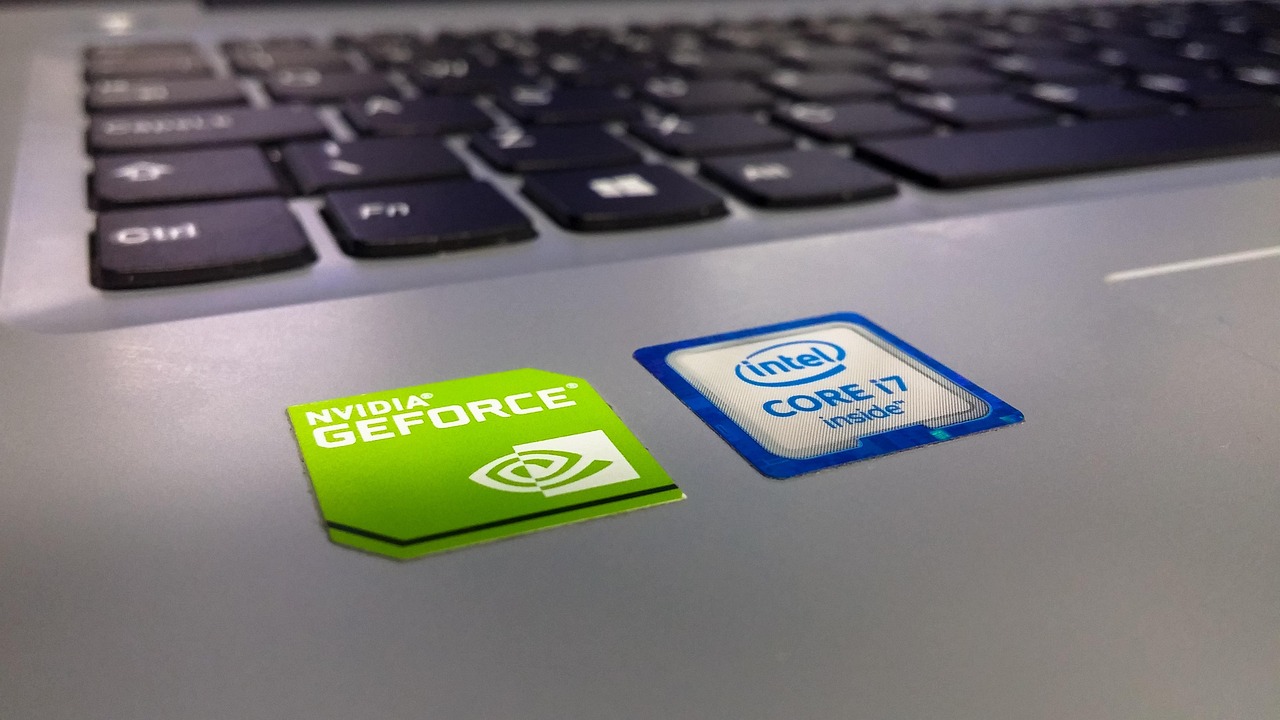
The gear gap is real and growing. Pro teams no longer show up to tournaments with just any off the shelf setup. They’re hauling custom built rigs designed for pure speed and stability, often paired with high refresh rate displays (240Hz and up) that make sure every frame counts. Latency is a liability, and teams are optimizing every aspect of their hardware to eliminate it.
Peripherals are getting just as serious. Mice with ultra light chassis and custom sensor tuning. Keyboards that match key travel distance to muscle memory. Headsets that tune audio positioning like a radar. Nothing is stock unless it’s elite grade.
And then there’s the hidden layer thermals, response times, ergonomics. Good cooling isn’t about comfort anymore; it’s about keeping machines fire ready under hours of pressure. A poorly configured rig can cost you timing. A stiff chair or awkward wrist angle can shave milliseconds off a reaction and in this world, that’s sometimes the match.
The bottom line: better gear doesn’t just improve play it changes outcomes.
VR and AR: The Future’s Beta Testing Ground
Virtual and augmented reality aren’t dominating the esports space yet but that’s starting to change. Select elite teams are quietly using VR during training to sharpen decision speed, situational awareness, and communication. The tech gives players a controlled, immersive space to run drills and simulate high pressure scenarios. It still takes time to set up and isn’t tournament ready, but for teams chasing micro advantages, it’s worth the investment.
AR, meanwhile, is edging closer to the mainstream. Developers are testing overlays that display real time stats, heatmaps, and team comms streams right on top of the live match feed. For spectators, this could mean seeing what a player sees, understanding strategic choices on the fly, or tracking live loadouts without glancing away from the action. It’s turning passive viewing into a more informed, connected experience.
On the production side, mixed reality is infiltrating stage shows. Tournament organizers are experimenting with immersive set pieces, player holograms, and data rich backdrops that change with match flow. It’s still early days and not every event has the budget, but innovation is accelerating. Bottom line: VR and AR may not be standard yet, but they’re no longer just sci fi concepts.
Anti Cheat and Fair Play Tech
As esports continues to grow both in popularity and prize pools, so does the need for robust solutions to maintain the integrity of competition. The days of manual moderation and delayed reviews are fading fast. Today’s landscape demands smarter, faster, and more transparent technologies to deter bad actors and uphold fair play.
Smarter Cheater Detection
Cheaters are becoming more sophisticated but so are the tools meant to catch them. AI based detection systems are now capable of analyzing gameplay patterns in real time, flagging suspicious activity faster than ever before.
Real time gameplay scanning helps spot aimbots, wallhacks, and scripted behavior without interrupting the match.
Machine learning models improve over time by studying both legitimate gameplay and cheating anomalies.
These systems allow organizers to take quicker, more decisive action mid tournament.
New Layers of Account Protection
Esports organizations are also investing in technologies that prevent match manipulation and account fraud before it can even begin.
Authentication hardware, such as biometric scanners and device based verification, helps confirm that the right player is behind the screen.
Multi factor access systems make credential sharing or account theft significantly harder during competitions.
Building Transparency Into the Infrastructure
Fair play isn’t just about catching cheaters it’s also about earning viewer and player trust. As such, tournament platforms are turning to transparency focused tools to build accountability into every match.
Publicly auditable match logs are becoming more common, showing decisions made in real time.
Referee AI assists in real time rule enforcement and dispute resolution.
Some leagues now share backend match data publicly to reassure audiences of fair outcomes.
Technology in esports isn’t just a defensive measure it’s laying the foundation for a more credible and respected competitive scene.
Final Insight: It’s a Tech Arms Race
In esports, the difference between a win and a loss can come down to milliseconds and milliseconds are often bought with better tech. Competitive teams are constantly upgrading their setup, not for flash, but for function: faster frame rates, tighter latency, smarter analysis tools. Getting ahead isn’t just about skill it’s about being faster to adapt than the next guy.
The same goes for fans. Tech isn’t just making games playable, it’s making them watchable, immersive, and easier to follow in real time. Enhanced viewing angles, instant replay, and real time overlays mean you’re not just watching a match you’re experiencing it.
For those just getting into the space, catching up doesn’t mean building a rig from scratch. Understanding what matters, how matches unfold, and what to look for is the first step. A great place to start? Check out this solid watching esports guide.
 Jo Nguyensenic brought technical expertise and a passion for gaming to the team, helping to refine Play Spotlight’s structure and user experience. His efforts in streamlining content delivery and improving functionality were vital in building a platform that connects and informs the gaming community effectively.