
You opened this because you’re tired of feeling lost.
Too many games. Too many leagues. Too many terms you don’t know but pretend to.
I’ve been there. Sat through a Dota 2 grand final and had no idea why anyone cheered that one kill.
This isn’t another surface-level glossary.
This is the Esports Guide Hmcdgaming. Built from years of watching, playing, and talking to pros and analysts.
Not theory. Not hype. Just what actually matters.
I’ve logged hundreds of hours across every major title. Watched tournaments in person. Read every patch note.
Asked dumb questions until they made sense.
No gatekeeping. No jargon without explanation.
You’ll walk away knowing how to follow a season, why certain teams dominate, and where to start. Even if your only experience is Fortnite Battle Royale.
Clear path. Zero fluff. One place to begin.
What Is Esports? (No Jargon, Just Facts)
Esports is competitive, organized video gaming. Not streaming. Not solo grinding.
Real teams. Real schedules. Real stakes.
I’ve watched players train 8 hours a day for two years before landing their first pro contract. That’s not a hobby. That’s a job.
Here’s how it breaks down by genre:
MOBA means Multiplayer Online Battle Arena. Think League of Legends and Dota 2. You control one hero.
Team up. Push lanes. Destroy the base.
FPS is First-Person Shooter. Counter-Strike and VALORANT dominate here. Aim matters.
Positioning matters more. One mistake ends the round.
Battle Royale? Apex Legends. Fortnite.
Drop in. Scavenge. Survive.
Last squad standing wins.
Fighting games like Street Fighter and Tekken run on frame-perfect timing and deep matchup knowledge. No respawns. No second chances.
A pro team isn’t just players. There’s a coach. An analyst who watches 20 hours of VODs per week.
A manager handling contracts and travel.
Is it a real sport? Yes. Try holding your wrist at that angle for 5 hours straight while processing 400 actions per minute.
Then tell me it’s not physical.
The International 2023 prize pool hit $1.7 million. The NBA G League average salary is $35,000. Context helps.
You don’t need to love every game to get it. Start with what feels fun (then) watch how people play it.
The this page team breaks this down cleanly for newcomers. Their Esports Guide Hmcdgaming skips the hype and shows how leagues actually run.
Most fans start with one title. Stick with that one. Watch the same team for a month.
You’ll see patterns. You’ll feel tension.
It’s not about being “good at games.” It’s about recognizing skill when you see it.
Esports Right Now: What’s Actually Worth Watching
I watch a lot of esports. Not all of it holds up.
League of Legends is about destroying the enemy Nexus. It’s slow at first, then explodes into coordinated chaos. The World Championship (Worlds) is the peak.
VALORANT is rounds-based. Attack or defend. Plant or defuse.
Three weeks, one trophy, zero second chances.
It’s faster than CS but just as punishing. VCT Champions is the final stop. You’ll see players flicking headshots while calling out smokes you didn’t even see.
Counter-Strike? Still the gold standard. Bomb plant, bomb defuse, clutch or bust.
The Majors are brutal (24) teams, single-elimination, no safety net. I’ve seen teams win after losing the first 12 rounds. (It happens.)
A “season” isn’t like baseball. It’s more like a ladder: Challengers → Masters → Champions. You earn points.
You get invited. You don’t just show up.
Regular season matches happen weekly. Playoffs are best-of-five. Worlds or Champions is best-of-five finals, live in an arena full of people screaming over headset audio.
Does it matter if you miss a week? No. But skip the playoffs?
You’ll miss the moment someone goes full Faker or TenZ or ZywOo.
This isn’t TV drama. It’s real stakes. Real fatigue.
Real comebacks.
The calendar resets every year. But the pressure doesn’t.
If you want to follow along without drowning, start with one game. Not three. Not five.
That’s why the Esports Guide Hmcdgaming exists (to) cut through the noise and point you where the action actually is.
No fluff. No filler. Just what’s live, what’s next, and who’s winning right now.
Esports Is a Full-Time Job Factory
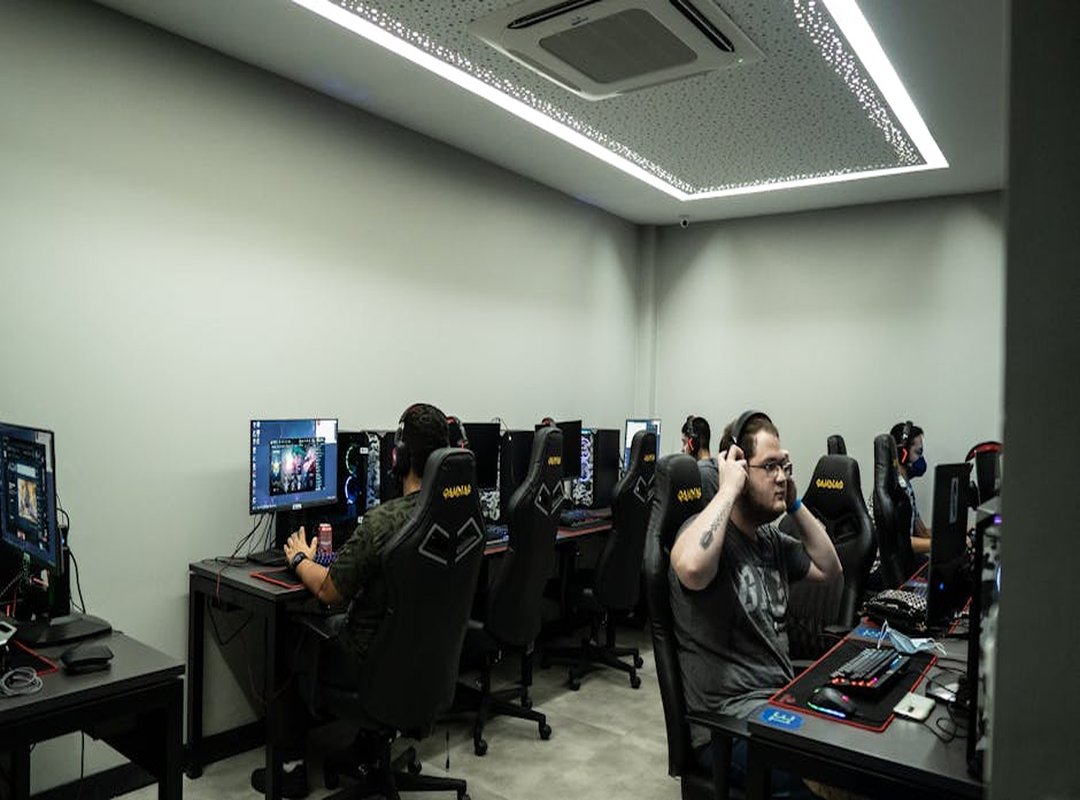
I used to think esports was just players and fans. Turns out, it’s a full-blown economy with real salaries, health insurance, and office politics.
You can read more about this in Online games hmcdgaming.
Casters are the voice of the game. Play-by-play calls the action. Color analysts explain why that flank worked (or didn’t).
Hosts keep energy up between matches. And yes, they rehearse their banter.
Analysts sit in war rooms. They study VODs, map win rates, track player fatigue. This isn’t guesswork.
It’s prep work that wins series.
Then there’s the crew you never see. Observers control camera angles mid-match. Production directors call shots like film editors on caffeine.
League ops folks handle contracts, travel, and compliance (often) under fire from fans who think “just let them play.”
Social media managers? They’re not posting memes. They’re managing tone across 12 platforms while a star player’s tweet goes sideways.
Sponsorships fund everything. Not just logo placements. Think co-branded merch drops, Twitch integrations, and activation campaigns that run longer than the tournament itself.
Team orgs hire HR, accountants, and mental health coordinators. Yes. Full-time therapists.
Because burnout is real, and it hits casters and coaches just as hard as players.
Merch isn’t an afterthought. It’s a revenue stream with its own supply chain, design sprints, and seasonal drops.
If you’re looking for a career path, skip the “how to get scouted” rabbit hole. Start with on-screen talent training or production internships.
The Online Games Hmcdgaming page has solid entry-level role breakdowns. No fluff, just job titles and where to apply.
Esports Guide Hmcdgaming? That’s not a guide. It’s a launchpad.
You want stability? Look behind the stage lights.
How to Actually Watch and Talk About Esports
I watch live games on Twitch. Not YouTube. Twitch has better latency, real-time chat, and fewer surprise ads mid-clutch.
YouTube works if you want VODs or highlights later. But for live, Twitch is the only place that feels like being in the room.
r/Competitiveoverwatch and r/valorantcompetitive are still active. Not perfect, but better than most Discord servers pretending to be communities.
Discord? Skip the big ones. Find small servers tied to specific teams or tournaments.
Less noise, more actual talk.
I read Dexerto and Upcomer for news. Dexerto breaks down patch notes fast. Upcomer nails tournament recaps without fluff.
Strafe is my go-to app. It shows live scores, schedules, and even lets you mute toxic fans (okay fine (that) part’s fake, but the rest works).
You want reliable info without hype? Avoid Twitter. Just do it.
The Esports Guide Hmcdgaming helped me stop wasting time on dead links and clickbait recaps.
If you’re serious about staying updated, check out the Esports gaming hmcdgaming section on Update Play Spotlight.
You’re In. No Gatekeeping.
I’ve watched people stare at esports streams like it’s another language.
It is (until) now.
This Esports Guide Hmcdgaming stripped away the noise. No jargon. No gatekeeping.
Just how genres work, how teams operate, how tournaments tick.
You don’t need to memorize every pro player’s stats to enjoy it. You just need to know what a “meta” is. When a “draft” matters.
Why that one team keeps winning. You know that now.
So. What’s stopping you from watching your first match with context?
Pick one game from Section 2. Find its subreddit from Section 4. Watch the next match live.
Not later. Not “when you have time.”
Right after this.
You already understand more than 90% of the people in that chat.
Go prove it to yourself.
 Andrewaye Bryanton played a key role in shaping Play Spotlight’s development, contributing creative ideas and strategic input that enhanced the platform’s design and content direction. His dedication to quality and innovation helped establish Play Spotlight as a reliable source for gamers seeking engaging and insightful updates.