
Adult bears, whether in the wild or in captivity, face a lot of health issues. osos maduros enfermedad is a serious topic. You might be wondering why this matters. Well, these conditions can really affect their quality of life and how long they live.
This article gives you the lowdown on common health problems in adult bears. We’ll cover symptoms, causes, and what you can do to help. It’s based on expert veterinary advice and the latest research.
So, if you’re involved in bear care or conservation, this is essential reading.
Common Health Conditions in Adult Bears
When we think about the health of adult bears, some conditions come up more often than others. Let’s dive into a few of the most common ones.
Arthritis:
Arthritis is a big deal for older bears. It causes joint pain and inflammation, making it tough for them to move around. The usual suspects are wear and tear over time, but sometimes injuries can play a role too.
Treatment options include pain relief, physical therapy, and in some cases, surgery. But here’s the kicker: not all bears respond the same way. What works for one might not work for another.
Dental Issues:
Bears aren’t immune to dental problems. Tooth decay and gum disease are common, especially if their diet isn’t balanced. Prevention is key.
Regular check-ups and a good diet can go a long way. (And no, I’m not saying you should brush your bear’s teeth, but keeping an eye on what they eat is a must.)
Obesity:
Now, let’s talk about obesity. It’s a growing concern, and not just for humans. Bears, especially those in captivity or with easy access to high-calorie foods, can become overweight.
This leads to a host of other issues, like heart disease and diabetes. Weight management is crucial. More exercise and a balanced diet can help, but it’s not as simple as cutting back on snacks.
You need to understand the osos maduros enfermedad and how it affects their overall health.
- Arthritis: Causes joint pain and inflammation.
- Dental Issues: Includes tooth decay and gum disease.
- Obesity: Leads to serious health risks and requires a balanced diet and exercise.
In summary, while these conditions are common, each bear is unique. Tailoring treatment and prevention to the individual is the best approach.
Nutritional Needs and Diet-Related Conditions
Balanced Diet: Essential nutrients and dietary requirements for adult bears to maintain optimal health. Understanding these needs can help you ensure your bear stays strong and healthy.
Malnutrition: Symptoms and long-term effects of malnutrition, and how to ensure a balanced diet. Malnourished bears can suffer from weak immune systems, poor fur quality, and even osos maduros enfermedad. It’s crucial to recognize the signs early and take action.
Food Allergies and Intolerances: Identifying and managing food allergies and intolerances in bears. Some bears may have adverse reactions to certain foods, leading to digestive issues and discomfort. Knowing what to look for and how to adjust their diet can make a huge difference in their well-being.
By staying informed about these nutritional needs and conditions, you can provide the best care for your bear. This means fewer vet visits, a happier bear, and peace of mind for you.
Parasites and Infectious Diseases
Internal parasites can really mess with your health. Types like tapeworms, roundworms, and hookworms can cause a range of symptoms, from mild discomfort to severe illness. If you suspect an infection, see a doctor.
They can prescribe effective treatments, often involving medications that target the specific parasite.
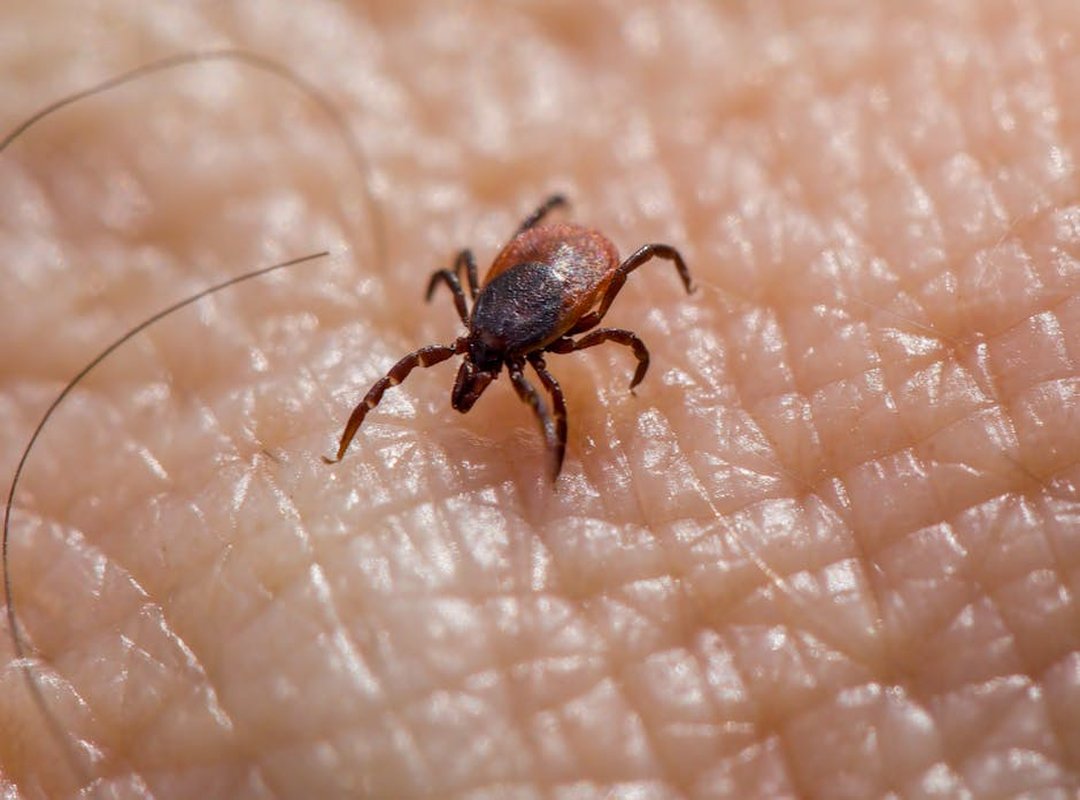
External parasites are just as pesky. Ticks and mites, for example, can cause skin irritation and even transmit diseases. To control them, use preventive measures like insect repellents and regular checks after being outdoors.
It’s also a good idea to keep your living spaces clean and free of clutter where these pests can hide.
Infectious diseases spread in various ways. Some, like the flu, are airborne, while others, like osos maduros enfermedad, can be transmitted through contaminated food or water. Understanding how they spread is key to prevention.
Common Infectious Diseases and Their Transmission
| Disease | Transmission | Preventive Measures |
|---|---|---|
| Influenza | Airborne | Get vaccinated, wash hands frequently |
| Hepatitis A | Contaminated food or water | Practice good hygiene, get vaccinated |
| Lyme Disease | Tick bites | Use insect repellent, check for ticks |
To stay ahead of these issues, it’s important to stay informed. (You can never have too much knowledge, right?) Consider checking out some resources on health and wellness. They offer a lot of useful information and tips.
Remember, the best defense is a good offense. Stay proactive about your health, and don’t hesitate to seek medical advice if you suspect an infection.
Stress and Anxiety: Causes and Solutions
Stress and anxiety in adult bears can come from a variety of sources. Environmental changes, social interactions, and even diet can all play a role.
One bear caretaker told me, “The biggest stressor for our bears is often the presence of too many visitors.” It’s important to create a calm and predictable environment. This means limiting loud noises and sudden changes.
Behavioral Problems: Common Issues and Strategies
Behavioral issues in bears can range from aggression to lethargy. A wildlife expert once said, “Understanding the root cause is key to addressing these problems.”
Osos maduros enfermedad can also lead to behavioral changes. Regular health check-ups are crucial. Behavior modification and training can help.
Positive reinforcement, like treats and praise, works wonders.
Consistency is key. Stick to a routine and be patient. With time and effort, you can see significant improvements.
Preventive Care and Regular Check-Ups
Regular veterinary visits are a must. They help catch issues early, saving you from bigger problems down the line.
During a check-up, your vet will examine your bear’s overall health, checking for any signs of osos maduros enfermedad or other conditions. They’ll also look at their teeth, ears, and skin.
Vaccinations are crucial too. For adult bears, make sure they get their core vaccines like rabies and distemper.
Follow the schedule your vet recommends. It’s usually every one to three years, depending on the vaccine.
Stay on top of these basics. Your bear will thank you with a longer, healthier life.
Ensuring the Longevity and Well-Being of Adult Bears
The article discusses several key health conditions that can affect osos maduros enfermedad. Regular check-ups, a balanced diet, and a stress-free environment are crucial for maintaining their well-being.
Proactive management is essential to prevent and manage health issues. This includes monitoring for signs of illness and providing appropriate veterinary care.
A balanced diet rich in necessary nutrients supports their overall health.
Creating a stress-free environment also plays a significant role in their longevity.
Stay informed about the specific needs of adult bears and consult with professional veterinarians for the best possible care.
 Andrewaye Bryanton played a key role in shaping Play Spotlight’s development, contributing creative ideas and strategic input that enhanced the platform’s design and content direction. His dedication to quality and innovation helped establish Play Spotlight as a reliable source for gamers seeking engaging and insightful updates.