
You remember that old picture.
The lone kid in a dark basement, pizza boxes stacked high, eyes glued to a flickering screen.
That image is dead.
I’ve watched esports grow from LAN parties in garages to stadiums selling out faster than rock concerts. Saw prize pools jump from pocket change to millions. Watched schools add gaming labs next to science rooms.
This isn’t just about better graphics or faster reflexes.
How Esports Affect Society Hmcdgaming cuts past the hype and the hand-wringing.
I’ve talked to coaches, parents, pro players, and teachers. Not just once. Over years.
Real talk. No spin.
Some days it’s inspiring. Other days it’s exhausting. We’ll cover both.
You want truth, not buzzwords. You want balance, not propaganda. You want to understand what’s really happening.
That’s what you get here.
Esports Isn’t Just Kids Playing Games
It’s a real economy. I’ve watched it grow from basement LAN parties to sold-out arenas (and) it’s not slowing down.
Esports jobs go way past the players on stage. I’m talking coaches who study frame data like film professors. Analysts tracking heatmaps and macro decisions.
Event managers booking venues, handling visas, and calming last-minute tech fires. Broadcast producers directing feeds across six platforms at once. Social media managers who know when to post a meme and when to stay silent.
Sponsorships? Nike and Mercedes-Benz aren’t here for fun. They’re here because 3.5 million people watched LoL Worlds 2023 finals live.
Media rights deals now rival mid-tier traditional sports. Advertising fills pre-roll, in-stream overlays, and even in-game billboards. Merch drops sell out before the tournament ends.
The global esports market hit $1.38 billion in 2023. That number isn’t theoretical. It’s payroll.
Rent. Server costs. Hotel bookings.
When Toronto hosted The International in 2021, local hotels filled up. Restaurants added extra shifts. Uber drivers doubled their hours.
Same thing happened in Paris for LoL Worlds 2023. This isn’t speculation. It’s receipts.
(And yes, I checked the city tourism reports.)
How Esports Affect Society Hmcdgaming is about more than screen time debates. It’s about opportunity. I’ve seen community college grads land analyst roles after building Twitch overlays and writing match recaps.
No degree required. Just skill, consistency, and knowing where to look.
If you’re curious how this space actually works behind the scenes, this guide breaks down the real pathways in.
Some people still call it “just video games.”
I don’t argue. I just point to the payroll stubs.
Gamers Aren’t Alone. They’re Organized
I used to think esports fans were just people staring at screens. Then I joined a Discord server for Overwatch ranked players.
We had 12,000 members. From Lagos to Lima. All coordinating voice comms, sharing clip feedback, running weekly scrims.
That’s not isolation. That’s teamwork with zero commute.
Twitch isn’t just streaming. It’s live translation overlays, donation goals that trigger charity matches, and chat rooms where someone in Tokyo explains game mechanics to someone in Detroit. In real time.
Reddit threads go deep. Not just “how to fix lag”. But “how do we get our local tournament funded?” or “who’s volunteering to translate this patch note?”
Physical ability? Doesn’t matter here. Gender?
Irrelevant if you can outplay them. Location? Just changes your ping.
I watched a 16-year-old in Manila host a 36-hour League of Legends charity stream. Raised $42,000 for flood relief. Viewers donated, moderated, translated, and shared the link across six languages.
No gatekeepers. No tryouts. Just showing up and contributing.
Traditional sports have stadiums. Esports has servers (and) they hold more people, more often, with less friction.
You don’t need gear. You don’t need a team coach. You don’t even need English.
Just a mic. A stable connection. And the willingness to say “let’s push mid together.”
You can read more about this in this article.
How Esports Affect Society Hmcdgaming isn’t about screen time. It’s about what happens between the screens.
I’ve seen friendships last longer than college roommates. I’ve seen marriages start in raid chats.
And yeah (sometimes) people ghost. But more often? They show up.
Pro tip: Turn on notifications for community events. Not for FOMO. For the actual human contact.
Esports Aren’t Just Play. They’re Practice
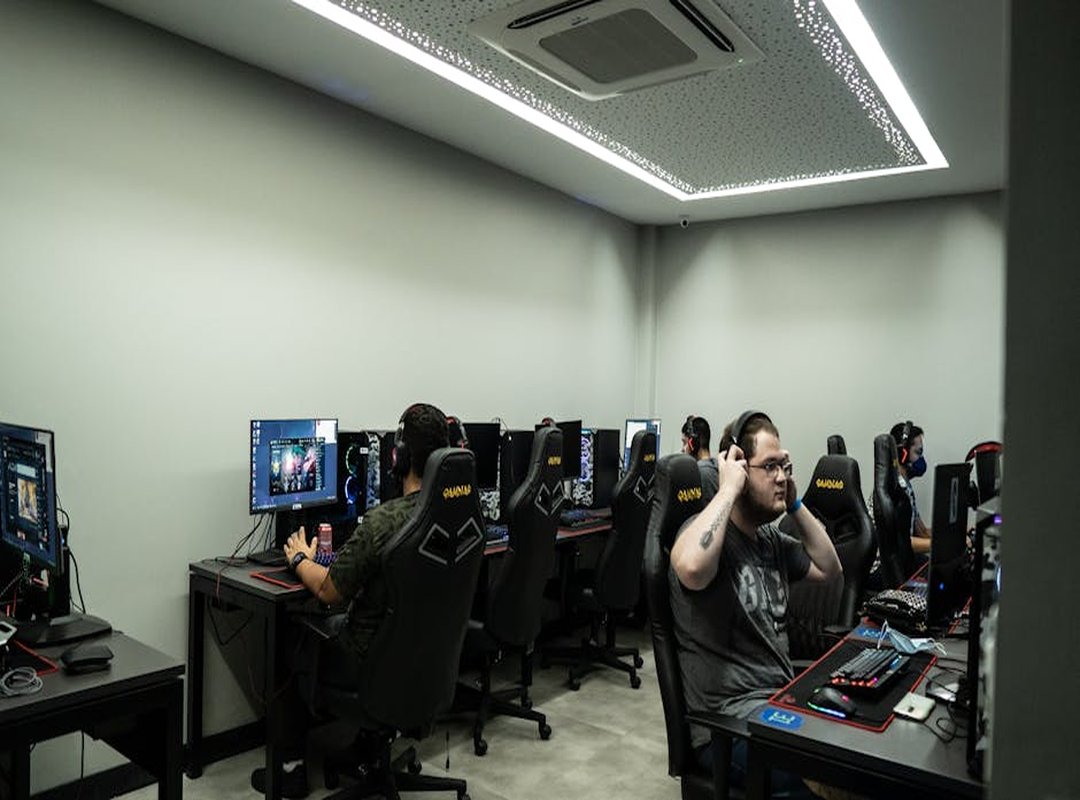
I watched a college esports coach tell a room full of parents: “Your kid isn’t just getting better at CSGO. They’re learning how to run a team, read data, and pivot when the plan fails.”
He wasn’t selling hype. He was stating facts.
Collegiate esports programs exploded. Over 200 schools now offer scholarships. Not just for top-tier players.
For analysts. Coaches. Broadcasters.
That’s not fluff. That’s funding.
You think strategic planning only happens in boardrooms? Try calling a 5v4 retake mid-match while your teammate’s mic cuts out. Same muscle.
Different arena.
Rapid problem-solving? You don’t get time to “think it over” when the enemy flashes your entire squad. You adapt (or) you lose.
Fast.
Resilience under pressure? Ask anyone who’s dropped a championship final on their last round. Then ask how many of them showed up to class the next morning with notes taken and questions asked.
Spoiler: most do.
Team communication isn’t about saying more. It’s about saying exactly what matters (and) nothing else. Sound familiar?
It should. That’s how engineering standups work. How ER nurses hand off patients.
How product teams ship features.
Data analytics starts with reviewing your own game stats. Then it spreads to spreadsheets, SQL queries, and forecasting models. No one forces that.
It just happens.
How Esports Affect Society Hmcdgaming isn’t some abstract headline. It’s happening in dorm rooms, libraries, and career centers right now.
Want proof? Start with How to Get Better at Csgo Hmcdgaming. Then watch how fast those skills cross over.
The Other Side of the Screen: Real Talk About Esports
I’ve watched too many players crash hard. Burnout isn’t a buzzword here. It’s wrist pain at 3 a.m., panic before a qualifier, and quitting mid-season because your brain won’t reload.
Performance anxiety hits different when your income depends on ranking up. And yeah (carpal) tunnel isn’t just for office workers. I’ve seen pros tape their thumbs like baseball pitchers.
Toxicity? It’s real. You know it.
I know it. Anyone who’s queued into ranked League or Valorant has felt that gut drop when the first toxic chat pops up.
But here’s what gets ignored: developers are acting. Mute-by-default. Real-time toxicity filters.
Verified identity systems. Not perfect. But moving.
The industry is still figuring itself out. Contracts are vague. Health insurance?
Rare. Player unions? Just starting.
That instability weighs on everyone (not) just the stars.
You think esports is all hype and highlight reels? Try explaining that to someone who just lost their roster spot and their health insurance in the same week.
How Esports Affect Society Hmcdgaming isn’t just about viewership numbers or prize pools. It’s about whether we protect the people building this thing.
We don’t need more cheerleading. We need better safeguards. Better rest protocols.
Better contracts.
The Hmcdgaming esports guide by harmonicode lays out exactly where the gaps are (and) how some orgs are already closing them.
Esports Aren’t Going Away
I watched a high school in Ohio fill its gym for a League of Legends final. Not basketball. League.
That’s How Esports Affect Society Hmcdgaming (right) now. Not someday. Not “if.” Now.
You think it’s just kids playing games. I get it. But schools are building arenas.
Cities are bidding for tournaments. Employers are hiring for esports-adjacent roles. Analytics, production, mental health support.
Skeptics miss the shift because they’re waiting for proof. So here’s your proof: go watch one major tournament final. Or read about a real collegiate esports program.
Not tomorrow. Today.
You’ll see the economics. The community. The pressure.
The opportunity.
It’s not all good. It’s not all bad. It’s real.
And ignoring it? That costs you time. Clarity.
Relevance.
So pick one thing. Watch. Read.
Then decide.
Your move.
 Andrewaye Bryanton played a key role in shaping Play Spotlight’s development, contributing creative ideas and strategic input that enhanced the platform’s design and content direction. His dedication to quality and innovation helped establish Play Spotlight as a reliable source for gamers seeking engaging and insightful updates.