
Prioritize Game Knowledge
You can’t outplay people if you don’t understand what you’re playing. Think of game mechanics like reps at the gym the more instinctual they become, the more brainpower you free up for advanced plays. Cooldowns, movement tech, ability timings these should be second nature. Muscle memory wins fights before they start.
Maps are your home field. Know the routes, sightlines, and power positions like you built them yourself. Character matchups? You’d better know who counters who, how, and why. And that knowledge isn’t static meta shifts with every patch. Stay sharp by scanning patch notes for buffs, nerfs, and balance changes. Devs are constantly tweaking numbers, and small changes can make big waves.
Don’t just play the game. Study it like you’re training for war. Because at the higher levels, that’s exactly what it is.
Lock in Consistent Practice
Improving your competitive rank isn’t just about playing more it’s about playing smarter. Quality practice gives you measurable growth, while mindless grinding leads to plateaus and burnout. To unlock your full potential, aim to practice with purpose and structure.
Practice with Intent, Not Just Hours
The number of hours played means little if those hours lack focus. Shift your mindset from “playing games” to “training sessions.”
Set specific goals for each session (e.g., practicing headshots, refining rotations, perfecting early game strategy)
Track progress weekly to stay accountable
Reduce distractions and approach each game like a scrimmage
Target Micro Skills
Your macro awareness is key but it’s built on sharpened micro skills. Top ranked players excel in:
Precision aiming (flicks, tracking, headshot consistency)
Movement mechanics (strafing, peeking, positioning)
Reactive decision making under pressure
Drill each skill individually with custom games, training maps, or isolated scenarios to reinforce muscle memory.
Balance Solo Queue and Team Scrims
Both types of play offer unique benefits:
Solo queue helps you adapt on the fly, improve leadership, and learn how to carry with minimal communication
Scrims or team games refine coordination, communication, and strategic execution
Aim for a healthy mix of both to develop adaptability and game sense in and out of solo plays.
Consistency is king. Regular, mindful practice can do more for your rank than triple the hours of unfocused effort.
Optimize Your Setup
Competitive gaming isn’t just about skill it’s also about setting yourself up for success before you even queue into a match. Your hardware, settings, and playing environment all play a role in your performance.
Upgrade for Smooth Performance
Your gameplay is only as good as the system running it. Subpar hardware can introduce lag, reduce frames per second (FPS), and impact response time all of which can cost you crucial moments in competitive play.
Use a high refresh rate monitor (144Hz or higher is ideal)
Invest in a responsive gaming mouse and mechanical keyboard
Ensure your PC or console meets (or exceeds) game performance standards
Prioritize stable internet with low ping over high download speeds
Optimize In Game Settings
An optimized system means nothing if your in game settings are holding you back. Customizing your settings can improve reaction time, visual clarity, and overall responsiveness.
Lower graphic settings to increase FPS and reduce clutter
Turn off motion blur and unnecessary visual effects
Adjust sensitivity settings to complement your aiming style
Use a crosshair and field of view (FOV) that suit your positioning and role
Eliminate Distractions
Focus is underrated but essential. A clean, quiet, and consistent environment will help you stay locked in during long sessions and high pressure matches.
Minimize background noise (use noise isolating headphones if needed)
Declutter your desk and remove non essential devices
Disable notifications on your PC and mobile
Set designated times for play when you’re less likely to be interrupted
Optimal setup isn’t a luxury for competitive players it’s a requirement. Build the foundation right, and your performance will follow.
Play with (and Against) Better Players
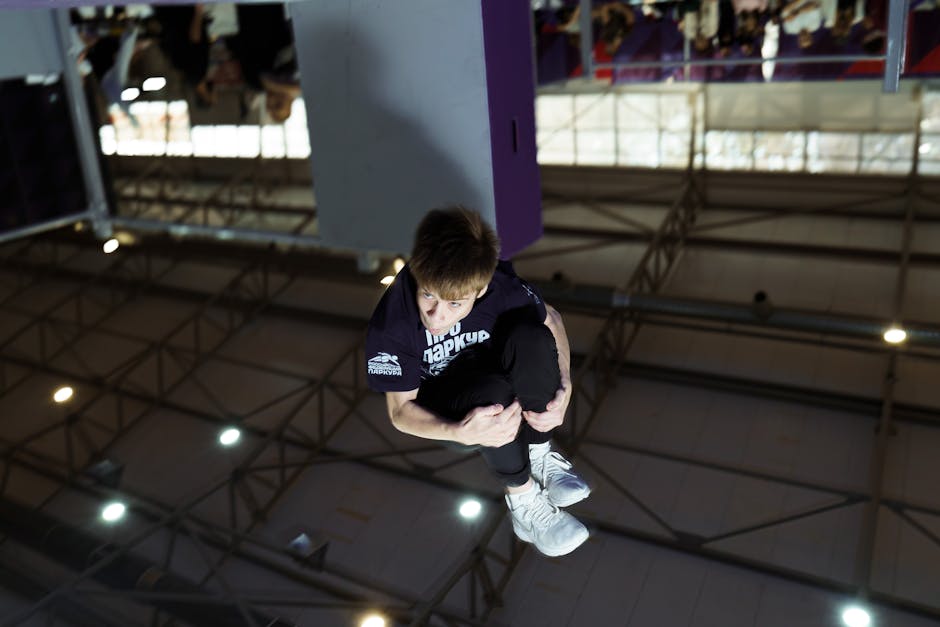
One of the fastest ways to improve? Surround yourself with players who are already at the level you want to reach. High skill teammates stretch your ceiling by forcing better decision making, cleaner comms, and tighter mechanics. It’s pressure but the kind that sharpens you if you stay open to it.
Don’t just play with them study them. Watch VODs of top ranked matches, not to copy moves, but to understand the why behind every play. Pros don’t just click fast; they read situations, coordinate with clarity, and know when to risk and when to hold. That mindset is learnable, but only if you’re paying attention.
And when the losses come and they will don’t spiral. Each loss is a set of data points. Were your rotations off? Did your timing falter under pressure? Treat losses as a feedback loop, not a statement on your worth as a player. You either learn from the game, or you get stuck. Pick one.
Review Your Games All of Them
One of the fastest ways to improve your competitive play is by studying your own matches. Watching replays allows you to evaluate decisions, spot missed opportunities, and understand your habits both good and bad.
Start with Recording
Make sure you’re recording your sessions, whether through in game replays or third party software.
Capture every match, especially ranked games
Prioritize matches where you felt off or surprisingly strong
Keep footage organized to review trends over time
Analyze with Purpose
Set aside time to watch replays critically, not passively. Approach each session with clear focus:
What worked? Successful plays, smart rotations, clutch moments
What didn’t? Poor timing, bad positioning, missed mechanics
What was avoidable? Deaths or losses caused by preventable errors
Look for Patterns
Improvement isn’t just about spotting one off mistakes it’s about recognizing recurring behaviors.
Do you fall into predictable movement patterns?
Are you overcommitting in certain situations?
Is your aim consistent across different matches?
Spotting patterns helps you form better habits. Over time, reviewing your gameplay becomes a habit that reinforces smarter decisions in real time.
Communicate Like a Pro
Clear and effective communication is one of the most valuable tools in competitive gaming especially when every split second decision counts. Great communication doesn’t mean talking more; it means saying more with less.
Master the Art of Callouts
Use callouts that are:
Concise Avoid overexplaining. Use short commands like “one mid,” “rotate A,” or “need backup.”
Purposeful Communicate only what’s relevant to the current play or strategy.
Consistent Stick to commonly understood map and role terminology.
Even if you’re not on voice chat, timely pings or quick chat messages can serve the same purpose.
Control Your Mindset: No Rage, No Tilt
It’s tempting to let frustration boil over in high stakes matches but tilt is a silent rank killer:
Rage leads to poor decision making and tunneling.
Negativity spreads quickly and demoralizes teams.
You may lose winnable games simply because of emotional distraction.
Control your emotions, and you’ll stay focused when it matters most.
Build Real Team Chemistry
Playing regularly with the same teammates builds trust and synergy:
Learn each other’s playstyles and tendencies
Develop quick, effective communication flow
Reduce randomness from solo queue dynamics
If you find solid teammates, turn them into a squad. Over time, your coordination and your win rate will improve.
Strong communication isn’t just a soft skill it’s a competitive advantage.
Know When to Take Breaks
Competitive grind is important, but playing through fatigue or frustration often does more harm than good. Knowing when to step away is a discipline that can elevate your game long term.
Why Fatigue Matters
Mental and physical fatigue directly affect your performance:
Slower reaction times
Poor decision making under pressure
Increased likelihood of tilt and frustration
If you’re noticing more mistakes, missed inputs, or emotional responses even in low stakes games it’s time to pause.
Tilt Is a Signal not a Challenge
Playing while tilted means you’re not thinking clearly. You’re reacting emotionally, not strategically. Recognizing tilt early and taking a break is smarter than trying to “power through.”
Reset Strategy:
Walk away for 15 30 minutes after a frustrating match
Do something offline: stretch, step outside, hydrate
Don’t queue out of anger queue with focus
Take Productive Breaks
Not all breaks mean unplugging completely. You can stay in the learning zone even while away from the keyboard:
Watch VODs of pros or your own replays
Read patch notes or meta discussion forums
Review clips of your recent gameplay to spot errors calmly
Treat breaks as part of your training schedule not as failure. Improving means knowing when to rest and rebuild, so you come back sharper and smarter.
Looking for even sharper techniques? Check out these pro gameplay tips from top players.
Stay Mentally in the Game
Focus on Progress, Not Perfection
Climbing the ranked ladder isn’t a straight line. It’s a process of learning through wins, losses, and everything in between. Your rank is only one metric. What truly matters is how much you’re improving over time.
Reflect on how your decision making evolves with experience
Track gameplay improvements, not just victories
Accept plateaus as temporary not permanent setbacks
Build a Competitive Mindset
Top performers know that skill isn’t the only factor your mindset matters just as much. Developing mental toughness allows you to stay sharp in high pressure moments.
Stay disciplined with warm ups and cooldowns before/after matches
Don’t chase rank emotionally play with intention and focus
Practice humility: every game is a lesson, win or lose
Play for Growth, Not Just Glory
It’s easy to get caught up chasing numbers, but better players chase improvement. Whether you’re in Bronze or Grandmaster, your goal should be the same: become harder to beat every day.
Analyze setbacks without self blame
Ask yourself what you’d do differently not just what went wrong
Strive for consistent performance over streak dependent results
Still struggling to level up? Get more clarity and strategies here: pro gameplay tips.
 Andrewaye Bryanton played a key role in shaping Play Spotlight’s development, contributing creative ideas and strategic input that enhanced the platform’s design and content direction. His dedication to quality and innovation helped establish Play Spotlight as a reliable source for gamers seeking engaging and insightful updates.